
Microscopic cervical disc surgery Cervical disc microscopic procedures

Microscopic operation of cervical disc
Last updated: November 03, 2025 Microscopic cervical disc surgery is one of the advanced surgical methods to treat intervertebral disc problems in the neck area, which is often performed in cases such as disc herniation or pressure on spinal nerves. This surgery is recommended when non-surgical treatments such as physical therapy or medications fail to control pain and nerve symptoms. The main goal of this procedure is to remove the damaged part of the disc and reduce the pressure on the nerves or spinal cord so that the patient can return to his normal life. This operation is performed using precise instruments and small incisions to minimize damage to the surrounding tissues.

What is neck microdiscectomy?
Cervical microdiscectomy is a minimally invasive surgical procedure designed to treat disc herniation or disc protrusion in the neck area. In this method, the surgeon, using a surgical microscope and specialized tools, removes a small part of the damaged disc that puts pressure on the nerves or spinal cord.
This operation is usually performed through a small incision in the back of the neck, and due to the high accuracy of the microscope, damage to the surrounding muscles and tissues is minimized. This feature has made microscopic cervical disc surgery a popular option for patients looking for a faster recovery.
Unlike older procedures that required large incisions and extensive tissue manipulation, neck microdiscectomy reduces the risk of complications by focusing on the exact affected area. This procedure is usually performed under general anesthesia and the duration of the operation takes between one and two hours depending on the severity of the problem. Many patients report that they feel a significant reduction in pain and neurological symptoms immediately after the procedure, although full recovery requires adherence to postoperative instructions.
The advantages of microdiscectomy compared to open cervical disc surgery
One of the biggest advantages of neck microdiscectomy is that it is less invasive than open surgery. In an open procedure, larger incisions are made, which can lead to more muscle and soft tissue damage, but in a microscopic cervical disc procedure, the incisions are smaller, which reduces the risk of infection and bleeding. Also, due to the use of a microscope, the surgeon has a better view of the operation area and can more accurately remove the damaged part and prevent nerve damage.
The recovery period is also shorter in this method; Many patients can return to light daily activities within days, while open surgery may take weeks. In addition, the scar in microdiscectomy is smaller and less noticeable, which is also important for patients in terms of aesthetics. Of course, choosing the right method depends on the specific conditions of each patient and the opinion of the surgeon.
When is microscopic cervical disc surgery recommended?
Microscopic cervical disc surgery is usually recommended when the patient experiences severe symptoms due to a herniated disc or a protruding disc in the neck area that has not improved with non-surgical methods. These symptoms can include persistent pain in the neck, shoulders, or arms, numbness and tingling in the hands, or even muscle weakness. These symptoms are often caused by the pressure of the damaged disc on the nerve roots or spinal cord, and if not treated in time, they may lead to more serious problems.
Diagnosis of the need for this surgery is usually done using imaging tools such as MRI or CT scan, which shows the exact location of the hernia and the amount of pressure on the nerves. Also, neurological tests such as EMG can help confirm the severity of the injury. In many cases, doctors first try conservative treatments such as anti-inflammatory drugs, corticosteroid injections, or physical therapy, and if there is no improvement after 6 to 12 weeks, surgery is the option.

Keep in mind that this procedure is only designed to relieve nerve pressure, and if the patient's symptoms are caused by other problems such as severe arthritis or spinal instability, other methods may be suggested.
Quoted by Dr. John Smith, an eminent spine surgeon from Johns Hopkins University: "Microscopic cervical disc surgery is most effective when the diagnosis is accurate and the patient has realistic expectations of the outcome."
Candidates for cervical disc microscopic surgery
Ideal candidates for microscopic cervical disc surgery are those who suffer from a confirmed herniated disc in the neck and have neurological symptoms such as pain radiating to the arms or numbness. These patients are often those who, after a few weeks or months of non-surgical treatment, still face serious limitations in their quality of life. The patient's age, general health and the absence of severe underlying diseases also play an important role in the selection of candidates.
For example, people who experience progressive weakness in the muscles of the hand or arm due to disc compression may need this surgery immediately to prevent permanent nerve damage. Also, patients whose exact location of disc herniation has been determined by imaging and this problem is consistent with clinical symptoms are suitable options for this method. Of course, the final decision is made after a complete evaluation by the surgeon.Which people are not suitable candidates for microscopic cervical disc surgery?
Although microscopic cervical disc surgery is beneficial for many patients, not everyone is a good candidate for it. Patients with complex structural problems such as severe instability of the spine or extensive osteoarthritis in the cervical vertebrae may require other procedures such as cervical fusion. Also, people with uncontrolled underlying diseases such as advanced diabetes or serious heart problems may have high risks of anesthesia and surgery.
Furthermore, if the patient's symptoms do not match the imaging findings, or if the pain is not clearly of disc origin, this procedure is not recommended. People who have unrealistic expectations of the surgical outcome or do not adhere to post-operative instructions may also not have a favorable outcome. Finally, careful evaluation by the medical team is necessary to determine the appropriateness of this method.
Complete procedures of microscopic cervical disc surgery
Microscopic surgery of the cervical disc is a precise and multi-step process that aims to reduce the pressure on the nerves and improve the patient's symptoms. First, the patient is put under general anesthesia so that he does not feel any pain during the procedure. Next, the surgeon makes a small incision (usually 2 to 3 cm) in the back of the neck. Using a surgical microscope, the muscles and soft tissues are gently pushed aside to gain access to the damaged vertebrae and disc.
In the next step, a small part of the vertebral bone (lamina) is removed to create enough space to access the disc. Then, the protruding or damaged part of the disc that is pressing on the nerve is removed with delicate instruments. In some cases, an implant or intervertebral cage may be used to maintain stability. Finally, the incision is closed with fine stitches and the patient is transferred to the recovery room. This whole process usually takes between 1 and 2 hours.
The high precision of this method allows the surgeon to target only the damaged part and avoid unnecessary manipulation of healthy tissues. Experience has shown that many patients feel immediate relief in their neurological symptoms after this procedure, although compliance with care after cervical disc surgery is essential for full recovery.
Necessary preparations before the operation
Preparation for microscopic cervical disc surgery plays an important role in the success of the operation and reducing the risks. Patients should refrain from eating and drinking for at least 8 hours before the operation to minimize the risk of anesthesia problems. Also, if the patient is taking certain medications, such as blood thinners, they should stop taking them a few days before the operation with the advice of the doctor. Performing blood tests and complementary imaging is also necessary before surgery.
In addition, patients should be mentally prepared for the operation and have realistic expectations of the result. Talking to the surgeon and getting full explanations about the procedure and the recovery period can help reduce anxiety. It is recommended that the patient prepare the home environment for the post-operative period a few days before; For example, don't move heavy objects and provide a suitable resting place for yourself.
Types of implants in microscopic cervical disc surgery
In some cases of microscopic cervical disc surgery, implants are used to maintain the stability of the vertebrae or to replace the removed disc. These implants have different types depending on the patient's condition and the surgeon's decision. The most common of them include intervertebral cages (Intervertebral Cages), which are made of biocompatible materials such as titanium or polytetrafluoroethylene (PEEK) and help to fuse the vertebrae.
Another type of implants are artificial discs that are designed to maintain the normal movement of the neck and are used in cases where the patient is younger and it is important to maintain the flexibility of the vertebrae. Choosing the type of implant depends on several factors, including the age of the patient, the degree of disc damage and the overall health of the spine. According to the specific conditions of each person, the surgeon suggests the best option.
Care and recovery period after microscopic cervical disc surgery
The recovery period after microscopic cervical disc surgery is shorter than traditional methods, but it still requires strict adherence to medical orders. In the first days after the operation, patients may feel some pain or discomfort in the incision area, which can be controlled with prescribed medications. Adequate rest is essential at this stage, but you should not be too sedentary, as light movement can help improve blood flow and speed up recovery.

Most patients can be discharged from the hospital and return home within 1 to 2 days after the operation. Wearing a medical collar for a few weeks may be recommended to take pressure off the surgical site. Also, physiotherapy sessions often start a few weeks after the operation to restore the strength and flexibility of the neck muscles. Adherence to cervical disc surgery and subsequent instructions plays a key role in preventing complications.
Motion restrictions and permitted activities after surgery
After microscopic cervical disc surgery, patients should avoid sudden and violent neck movements to avoid pressure on the surgical area. Lifting heavy objects, bending too far forward, or suddenly turning the neck are activities that should be limited for a few weeks. Driving is also prohibited until the doctor gives permission, because rapid reactions may be dangerous in these conditions.
Permissible activities usually include the following:
- Short and light walking to improve blood circulation
- Perform gentle stretching exercises under the supervision of a physiotherapist
Over time and with the doctor's approval, patients can return to their daily activities, but they should always be careful about their posture and the way they sit or stand to avoid re-injury.
Possible side effects and ways to prevent them
Although microscopic cervical disc surgery has fewer risks than open procedures because it is minimally invasive, complications may still occur. Rare complications include infection at the incision site, bleeding, or damage to surrounding nerves. According to statistics, the probability of infection after this operation is less than 1%, but maintaining hygiene and taking prescribed antibiotics can reduce this risk.
To prevent complications, patients should follow the post-operative instructions carefully. Avoiding heavy activities, maintaining a proper weight and quitting harmful habits such as smoking are among the effective strategies. Also, regular follow-up with the surgeon and reporting any unusual symptoms can help identify problems early. Experience has shown that patients who adhere to the recommendations usually have a painless recovery.
Danger signs after microscopic cervical disc surgery
After the operation, patients should be aware of some warning signs and if they see them, call their doctor immediately. These symptoms include high fever, redness or unusual discharge from the incision site, and severe pain in the neck or arms. Also, numbness or sudden weakness in the hands can be a sign of renewed pressure on the nerves.
Suddenly worsening breathing or swallowing problems should also not be ignored, as they may be related to excessive swelling in the neck area. Although these symptoms are rare, early detection and prompt action can prevent serious complications. Patients should always have the emergency contact number of their medical team available.
Costs of microscopic cervical disc surgery
The cost of microscopic cervical disc surgery depends on many factors, including the location of the operation, the experience of the surgeon, the type of hospital (private or public), and the use of special implants or equipment. In general, this procedure may cost more than traditional methods due to the use of advanced technology and a surgical microscope. In Iran, depending on the conditions, the costs can vary from tens of millions of Tomans.
Health insurances often cover a portion of the costs, especially if the procedure is deemed medically necessary. However, patients should check with their insurance before the procedure to find out the amount of coverage. Also, side costs such as post-operative physiotherapy and medications should also be considered. For more detailed information, direct contact with the treatment center is recommended.
Answers to frequently asked questions about microscopic cervical disc surgery
Many patients have several questions in mind before deciding to undergo microscopic cervical disc surgery, the answers to which can help reduce concerns. In this section, some of the most common questions are answered to get a clearer picture of the method. If you have any other questions that are not covered in this section, you can ask the surgeon during your consultation.
Does smoking affect the outcome of surgery?
Yes, smoking can have a significant negative impact on the outcome of microscopic cervical disc surgery. Nicotine in cigarettes reduces blood flow to the tissues, and this issue can disrupt the healing process and fusion of the vertebrae, if an implant is used. Also, smoking increases the risk of postoperative infection.
What is the probability of needing re-surgery after microscopic cervical disc surgery?
The probability of re-surgery after microdiscectomy of the neck is less than 5-10% and usually occurs in case of disc herniation or vertebral instability. Adhering to post-operative care, avoiding heavy activity, paying attention to physical condition and regular follow-up with the surgeon are the most important ways of prevention and early detection of possible problems.
Doctor's approach in facing unexpected problems during surgery
In the microscopic surgery of the cervical disc, unforeseen conditions such as bleeding or more damage to the vertebrae may occur. In these cases, the surgeon manages the problem on the spot with his tools and skills and, if needed, changes the procedure to additional techniques such as fusion to maintain the patient's safety. Before the operation, the patient is informed of the possibility of these necessary decisions.
Consultation and appointment reservation for microscopic cervical disc surgery by Dr. Yazdan Panahi
If you suffer from neck pain or nerve symptoms and are looking for an effective solution, a consultation with a specialist surgeon can be the first step to recovery. Dr. Yazdan Panahi, with years of experience in spine surgery, is ready to provide you with diagnostic and treatment services. To book an appointment and get more information about the microscopic operation of the cervical disc, you can use the communication methods announced on the website.
During the consultation session, all aspects of your condition will be examined and the best treatment method will be suggested according to your needs. The goal is to help you return to a pain-free life with minimal invasiveness and maximum precision. We are waiting for your call or appointment request.
Office: Shahrek Gharb, Dadman West Blvd., Fakhar Moghadam St., Golberg Som Corner, Avan Club Building, Block 8, Floor 4, Unit 5
Contact number: 09385664232
Facebook Twitter LinkedIn Pinterest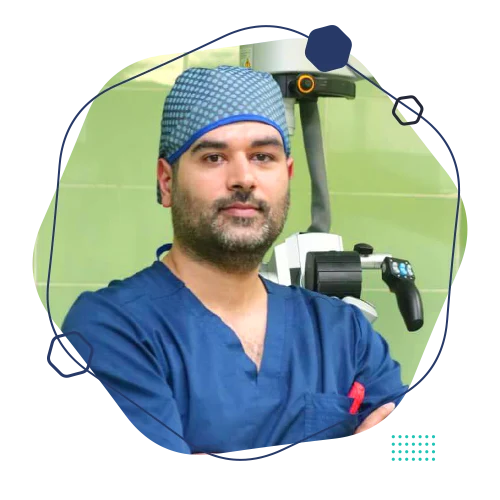
Dr. Yazdan Panahi
Student of Shahid Beheshti University of Tehran. The top rank of the specialized board of neurosurgery. 7-year history of performing complex operations on the base of the skull and brain and spinal cord tumors, 7-year history of complex operations on the spine
Related posts
 Spine and spinal cord
Lumbar disc treatment at home 14 ways to treat lumbar disc at home
Many people prefer to try less risky methods such as lumbar disc treatment at home before undergoing surgery. These methods include medication, physical therapy exercises, limited rest, light physical activity, massage, and techniques such as chiropractic. They aim to reduce inflammation, relieve pain and improve movement, and if done correctly, can speed up the healing process. Stay with us to check more of these items.
Read more » November 19, 2025 4 views Spine and spinal cord
Pain in the back of the neck Investigation of causes, symptoms, diagnosis and treatment methods
Back pain is often caused by muscle problems, improper body posture or erosion of the vertebrae, and sometimes it spreads to the shoulder and head. The cause of pain in the back of the neck and shoulder can be from a simple strain to a protrusion of the disc, and this point tells us what the symptoms of back pain are. Fortunately, most of these pains can be controlled with anti-inflammatory drugs, modification of daily habits and stretching exercises. Only limited cases, due to neurological or structural involvement, will require more advanced treatment methods.
Read more » November 18, 2025 No views the brainBenefits of brain endoscopy + examination of complications and risks
Cerebral endoscopy is a minimally invasive method that is performed by two methods, endonasal and neuroendoscopy, and each has its own advantages and disadvantages. Among the most important advantages of brain endoscopy, we can mention the reduction of manipulation of natural tissues, less pain, faster recovery, better visibility of the surgeon and reduction of the risk of concussion. However, endoscopic complications such as bleeding, CSF leakage, blood pooling, and infection are significant aspects of this procedure. Although there are disadvantages of endoscopy, in most patients the benefits outweigh the possible risks. In the following, the details of both aspects will be examined.
Read more » November 17, 2025 No views Spine and spinal cord
At what age does cervical disc start? + Check symptoms and treatment
Cervical disc usually appears in the third and fourth decades of life, but the onset of cervical disc in youth is not far off with increasing daily pressures. The cause of neck disc in youth is often a combination of bad sitting posture, long-term work with mobile phones and computers, and weak neck muscles. Obesity, inactivity and genetics also accelerate the process of disc erosion and reduce the age of the disease. Premature wear of discs reduces flexibility and increases the possibility of pain and rupture at a young age. Compliance with ergonomics, muscle strengthening and regular activity are the best ways to prevent and postpone this complication.
Read more » November 16, 2025 No viewsWrite your opinion Cancel response
مقالات دیگر از Dr. Mahmoud Yazdan Panahi
طرز خوابیدن کسانی که دیسک کمر دارند
طرز خوابیدن کسانی که دیسک کمر دارند آخرین بروزرسانی: 08 دسامبر 2025...
بهترین غذا برای دیسک کمر
بهترین غذا برای دیسک کمر آخرین بروزرسانی: 06 دسامبر 2025...

بیرون زدگی دیسک گردن مهره 4 و 5
بیرون زدگی دیسک گردن مهره 4 و 5 آخرین بروزرسانی: 06 دسامبر 2025...

تغذیه بعد از عمل دیسک کمر | تغذیه ممنوعه بعد جراحی دیسک کمر
تغذیه بعد از عمل دیسک کمر | تغذیه ممنوعه بعد جراحی دیسک کمر آخرین بروزرسانی: 03 دسامبر 2025...

بیرون زدگی دیسک گردن مهره 4 و 5 | علائم، درمان و علت
بیرون زدگی دیسک گردن مهره 4 و 5 آخرین بروزرسانی: 02 دسامبر 2025...
تغذیه بعد از عمل دیسک کمر | بعد عمل دیسک کمر چی بخوریم؟
تغذیه بعد از عمل دیسک کمر | تغذیه ممنوعه بعد جراحی دیسک کمر آخرین بروزرسانی: 01 دسامبر 2025...
تشخیص دیسک کمر | 4 علائم شایع دیسک کمر
تشخیص دیسک کمر | از کجا بفهمیم دیسک کمر داریم؟ آخرین بروزرسانی: 30 نوامبر 2025...

سخت ترین عمل جراحی مغز | عوارض + انواع جراحی های مغز
سخت ترین عمل جراحی مغز آخرین بروزرسانی: 29 نوامبر 2025...
دیسک گردن و بی حسی صورت | دیسک گردن و بی حسی سر
دیسک گردن و بی حسی صورت آخرین بروزرسانی: 25 نوامبر 2025...

جراحی آندوسکوپی مغز | انواع عمل آندوسکوپی مغز +مزایا و عوارض
جراحی آندوسکوپی مغز | عمل جراحی آندوسکوپی مغز آخرین بروزرسانی: 16 نوامبر 2025...

روش های تشخیص دیسک گردن | 4 روش اساسی در تشخیص دیسک گردن
روشهای تشخیص دیسک گردن | اهمیت تشخیص به موقع چیست؟ آخرین بروزرسانی: 15 نوامبر 2025...

مزایا آندوسکوپی مغزی + بررسی عوارض آندوسکوپی مغزی
مزایا آندوسکوپی مغزی + بررسی عوارض و خطرات آخرین بروزرسانی: 17 نوامبر 2025...

SEO site management services
Search engine optimization (SEO) services help you to rank your website higher in the search results of Google and other search engines.

Implementation of branding and digital advertising
Digital branding means creating a strong and distinctive brand in the digital space for a company or a specific product. This process involves using digital methods and strategies to build and strengthen the brand.

Website design for companies and businesses
Website design for companies and businesses can help you have a stronger online presence and attract more customers. Contact us for more information.
